
ANEMIA
DEFINITION
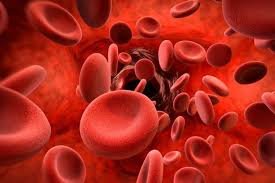
Anaemia is a condition in which the number of red blood cells or the hemoglobin concentration within them is lower than normal. Hemoglobin is needed to carry oxygen and if you have too few or abnormal red blood cells, or not enough hemoglobin, there will be a decreased capacity of the blood to carry oxygen to body tissues.
Anaemia is a serious global public health problem that particularly affects young children and pregnant women. WHO estimates that 42% of children less than 5 years of age and 40% of pregnant worldwide are anaemic.
The prevalence of anaemia remains high globally, particularly in low-income settings, where a significant proportion of young children and women of child-bearing age can be assumed to be anaemic.
Anaemia is an indicator of both poor nutrition and poor health. It is a problem on its own, but it can also impact other global nutritional concerns such as stunting and wasting, low birth weight and childhood overweight and obesity due to lack of energy to exercise. School performance in children and reduced work productivity in adults can have further social and economic impacts for the individual and family.
SYMPTOMS
Anaemia can cause a range of symptoms including fatigue, weakness, dizziness and drowsiness. Children and pregnant women are especially vulnerable, with an increased risk of maternal and child mortality.
TYPES
There are different types of anemia based on the parameters used to classify it (pernicious anaemia due to the deficiency of vitamin B12, iron-deficiency anaemia etc) but we will be laying emphasis on iron-deficiency anaemia.
CAUSES
Anaemia can result from many factors, including:
a lack of iron in the diet (iron-deficiency anaemia)
heavy menstruation (blood loss anaemia)
a lack of folate or vitamin B-12 in the diet (pernicious anamia)
Bleeding in the stomach and intestines can also cause anemia. This type
of bleeding is sometimes a side effect of nonsteroidal anti-inflammatory
drugs (NSAIDs). Or, it may result from:
Ulcers
Piles
swelling in the large intestine or esophagus
certain cancers
People who are pregnant have an increased risk of developing iron-deficiency anemia, which occurs when iron levels are too low. In these cases, doctors usually advise people to take iron supplements.
The recommended daily allowance (RDA) of iron depends on a person’s
age and sex. A baby younger than 6 months old only requires 0.27
milligrams (mg) of iron a day, while a male aged 19–50 years old requires
8 mg a day, and a female in the same age range needs 18 mg of iron a
day.
During pregnancy, a person should increase their daily iron intake to 27
mg.
People with iron-deficiency anemia need a significant boost and require
150–200 mg of iron a day.(WHO)
MEAL PLANS
The best diet for a person with anemia includes plenty of foods rich in iron
and other foods that help the body to absorb iron. A person should also
be aware of foods that can inhibit iron absorption.
Find below a list of foods that are rich in iron.
Fruits and vegetables
watercress
curly kale and other varieties
spinach
collard greens
dandelion greens
Swiss chard
citrus fruits
red and yellow peppers
broccoli
However, some dark, leafy greens also contain oxalates, which can inhibit
iron absorption. Rather than relying solely on vegetables, a person should
aim to get iron from a variety of sources.
Nuts and seeds
pumpkin seeds
cashews
pistachios
hemp seeds
Meat and Fish
beef
lamb
venison
liver
shellfish
oysters
Dairy products
raw milk
yogurt
cheese
Beans and pulses
kidney beans
chickpeas
soybeans
black-eyed peas
pinto beans
black beans
peas
lima beans
Also, it may be a good idea to choose iron-fortified cereals, bread
products, orange juice, rice, and pasta.
Foods to avoid
The following foods can interfere with iron absorption:
tea and coffee
milk and some dairy products
whole-grain cereals
foods that contain tannins, such as grapes, corn, and sorghum
foods rich in gluten, such as pasta and other products made with
wheat, barley, rye, or oats
foods that contain phytates or phytic acid, such as brown rice and
whole-grain wheat products
foods that contain oxalic acid, such as peanuts, parsley, and
chocolate
The best way to add iron to the diet is to eat more foods that are rich in
iron. However, the following strategies can maximize a person’s iron
intake:
refraining from drinking tea or coffee with meals
refraining from eating foods rich in calcium with those rich in iron
eating iron-rich foods alongside those rich in vitamin C
cooking with a cast-iron skillet
cooking foods for shorter periods
If a person has tried changing their diet and their levels of iron remain
low, they should speak with a doctor or dietician, who may recommend a
supplement.
Doctors often recommend choosing a supplement containing ferrous
salts such as ferrous fumarate, ferrous gluconate, or ferrous sulfate. These
formulations all contain anywhere from 15–106 mg of elemental iron in a
tablet or oral solution.
People with iron-deficiency anemia can benefit from adding iron to their
diet. The foods and strategies listed above can help a person to manage
the condition.
Eating certain dark, leafy greens, seafood, beans, nuts, and seeds can
help a person to boost their iron intake. It may also be a good idea to use
a cast-iron skillet, and cooking meals for shorter periods, when possible.
Iron supplements can benefit people who do not receive enough iron
from their diets. It is essential to follow dosage instructions carefully. An
excess of iron can cause iron toxicity. This can be dangerous and, on rare
occasions, fatal.
I believe you now know how to manage anaemia.
For relevant nutrition information, you should visit our blog more often.






 Nourishwell-Africa