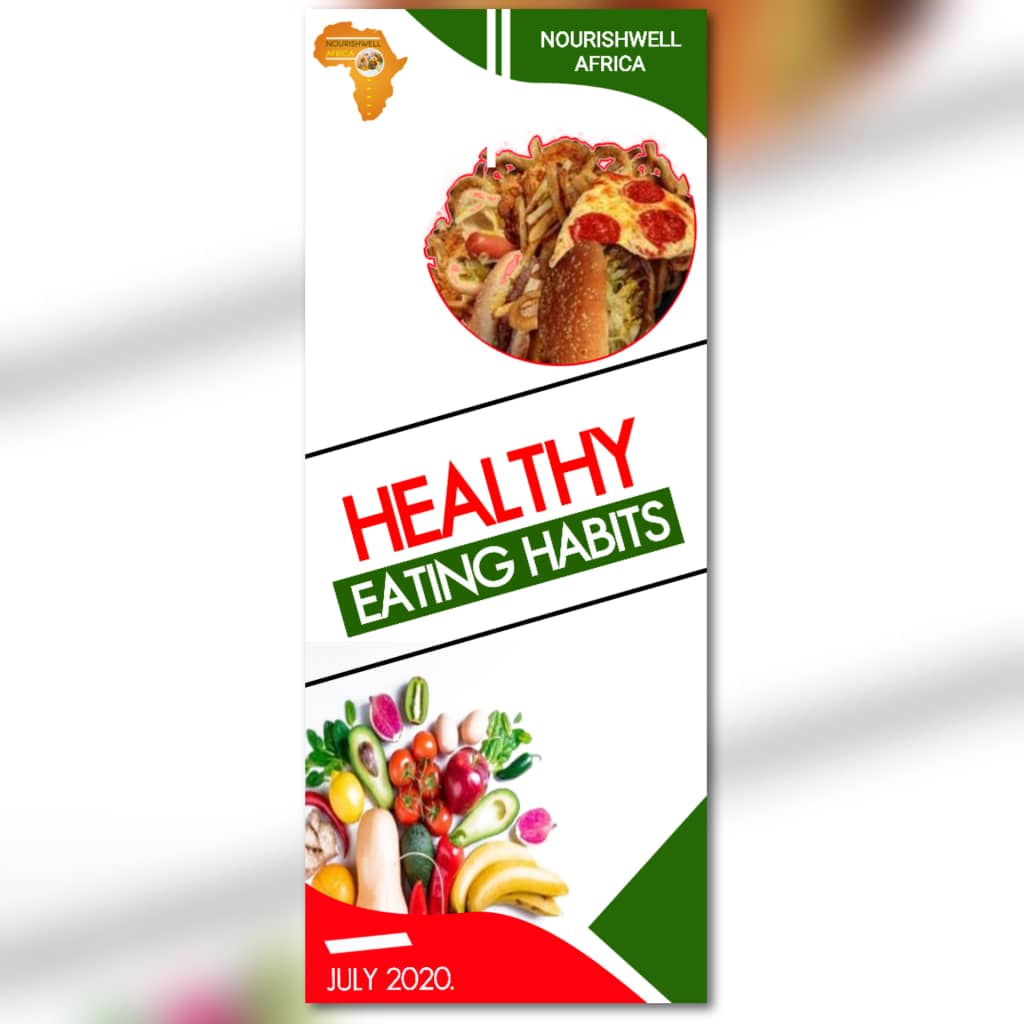
EMOTIONAL EATING

It is a common condition among humans to get depressed and unhappy over certain issues.In a bid to conquer our sadness and pain, we do a lot of things. Some people play games, some read inspiring books while some discuss with people. It’s amazing that while some people do these, many others eat just to calm themselves.

Well, a lot of people might see this as a normal act because they assume that it is just a way of relieving themselves of burdens. They do not care about the effects of emotional eating.
To begin with, emotional eating can be described as the act of eating just for comfort, relief or reward. The major problem with this is that many people tend to reach out to junk foods, sweets and other comforting but unhealthy foods. You might decide to order a pizza if you are bored or purchase some biscuits just to feel good.

Emotional eating is basically using food to make yourself feel better, just to meet your emotional needs rather than your health needs. But most times, it does not make you feel better; it only worsens your situation and in addition gives you the guilt of overeating.

Moreover, the issue with emotional eating is that it involves the consumption of calories. Apart from the health problems that high level of calories can cause,there is the problem of failure to learn healthier ways of dealing with your emotions. After that, you begin to have a hard time controlling your weight and you feel increasingly powerless over both emotions and overeating.

However, emotional hunger is the root cause of emotional eating. It comes suddenly and in an instant brings about an excessive urge to eat when it is not necessary. This is an indication that emotional eating is not stimulated by physical or normal hunger.

Another factor to note about emotional eating is that it comes with cravings for specific comfort foods. When you are physically hungry, any food works including healthy foods, but emotional hunger stimulates the desire for junk foods or sugary snacks. In addition, emotional eating often involves mindless eating. You just find yourself eating a lot of junks without feeling any restraint. This also makes emotional hunger different from physical hunger. In physical hunger, you are most likely aware of what you are doing and you get satisfied, but emotional eating does not satisfy. In fact, it makes you desire to eat more until you become uncomfortable, and at the end of the day, it leads to regret.

Now, emotional eating is something that can be conquered.

The first thing in putting a stop to it is identifying your personal triggers. What situations or feelings make you reach for the comfort of food? It has been discovered that most emotional eating is linked to unpleasant feelings while it could also be triggered by some positive emotions such as trying to reward yourself for something you feel good about.

Common causes of emotional eating include stress, boredom, childhood habits and social influences. If these causes can be fully analysed, then there will be no problem staying away from this unhealthy habit.

Furthermore, to stay away from emotional feeding, you must watch your emotions and find other ways to feed your feelings. There are many alternative measures that can help in putting an end to emotional eating. You can call someone when you are sad or depressed. You can decide to dance or go for a walk when you feel anxious or bored. All these will help prevent situations where you need to eat and eat a lot. Also try to check yourself up whenever you notice any change in your mood or feelings and see if it can be surpressed or not.

In addition, you could support yourself with healthy habits like exercise, sleep and other activities that can prevent excessive urge to consume junk foods. Try to create time for relaxation and connect with friends. These will also do a great deal in fighting the habit.
In conclusion, you cannot be better than what you ingest daily.

The saying: “you are what you eat” is not an hearsay, it’s the truth. This should make you take every possible step in staying away from foods that are detrimental to your health.

Always remember that comfort eating is not the best means of making yourself feel alright. Frequently tell yourself that health is wealth.

EMOTIONAL EATING

It is a common condition among humans to get depressed and unhappy over certain issues.In a bid to conquer our sadness and pain, we do a lot of things. Some people play games, some read inspiring books while some discuss with people. It’s amazing that while some people do these, many others eat just to calm themselves. Well, a lot of people might see this as a normal act because they assume that it is just a way of relieving themselves of burdens. They do not care about the effects of emotional eating.
To begin with, emotional eating can be described as the act of eating just for comfort, relief or reward. The major problem with this is that many people tend to reach out to junk foods, sweets and other comforting but unhealthy foods. You might decide to order a pizza if you are bored or purchase some biscuits just to feel good. Emotional eating is basically using food to make yourself feel better, just to meet your emotional needs rather than your health needs. But most times, it does not make you feel better; it only worsens your situation and in addition gives you the guilt of overeating. Moreover, the issue with emotional eating is that it involves the consumption of calories. Apart from the health problems that high level of calories can cause,there is the problem of failure to learn healthier ways of dealing with your emotions. After that, you begin to have a hard time controlling your weight and you feel increasingly powerless over both emotions and overeating. However, emotional hunger is the root cause of emotional eating. It comes suddenly and in an instant brings about an excessive urge to eat when it is not necessary. This is an indication that emotional eating is not stimulated by physical or normal hunger. Another factor to note about emotional eating is that it comes with cravings for specific comfort foods. When you are physically hungry, any food works including healthy foods, but emotional hunger stimulates the desire for junk foods or sugary snacks. In addition, emotional eating often involves mindless eating. You just find yourself eating a lot of junks without feeling any restraint. This also makes emotional hunger different from physical hunger. In physical hunger, you are most likely aware of what you are doing and you get satisfied, but emotional eating does not satisfy. In fact, it makes you desire to eat more until you become uncomfortable, and at the end of the day, it leads to regret. Now, emotional eating is something that can be conquered. The first thing in putting a stop to it is identifying your personal triggers. What situations or feelings make you reach for the comfort of food? It has been discovered that most emotional eating is linked to unpleasant feelings while it could also be triggered by some positive emotions such as trying to reward yourself for something you feel good about. Common causes of emotional eating include stress, boredom, childhood habits and social influences. If these causes can be fully analysed, then there will be no problem staying away from this unhealthy habit. Furthermore, to stay away from emotional feeding, you must watch your emotions and find other ways to feed your feelings. There are many alternative measures that can help in putting an end to emotional eating. You can call someone when you are sad or depressed. You can decide to dance or go for a walk when you feel anxious or bored. All these will help prevent situations where you need to eat and eat a lot. Also try to check yourself up whenever you notice any change in your mood or feelings and see if it can be suppressed or not. In addition, you could support yourself with healthy habits like exercise, sleep and other activities that can prevent excessive urge to consume junk foods. Try to create time for relaxation and connect with friends. These will also do a great deal in fighting the habit.
In conclusion, you cannot be better than what you ingest daily. The saying: “you are what you eat” is not an hearsay, it’s the truth. This should make you take every possible step in staying away from foods that are detrimental to your health. Always remember that comfort eating is not the best means of making yourself feel alright. Frequently tell yourself that health is wealth.

Probiotics and their benefits

Someone was once asked to define probiotics. She broke the word down into pro-bio-tics. She said “pro= before”, “bio= life”, but got stranded when she was to tell what “tics” is. So, her definition was something like “before life…”. Is that true? Let’s find out as we discuss probiotics and their health benefits.

Probiotics are live bacteria and yeasts that are good for you, especially your digestive system. We usually think of these as germs that cause diseases. But your body is full of bacteria, both good and bad. Probiotics are often called “good” or “helpful” bacteria because they help keep your gut healthy.

You can find probiotics in supplements and some foods, like yogurt. Doctors often suggest them to help with digestive problems.

How Do They Work?
Some of the ways they may keep you healthy:

When you lose “good” bacteria in your body, for example after you take antibiotics, probiotics can help replace them.
They can help balance i.e maintain equilibrium between the “good” and “bad” bacteria to keep your body working the way it should.

Amazing Benefits of Probiotics and Why You Need Them:
In relation to food, they have certain benefits that are ascribed to them when consumed in certain amount. The lactic acid bacteria (lactobacillus) is an example of this microorganism which produces lactic acid as the main end product of carbohydrate fermentation.

There are increasing scientific evidences in favour of the claim of the beneficial effect of probiotics, the health benefits of probiotics include:

1) Improvement of the intestinal health;
2) Enhancement of immune response;
3) Reduction in serum cholesterol;
4) Cancer prevention;
5) Treatment of acute diarrhoea; and
6) Prevention of antibiotic-associated diarrhoea.

How Can You Get Them?

Probiotic food products are found in dairy products like cheese,ice-cream,yoghurts,fermented milk etc.

They can also be found in non-dairy products like cereals, soy-based products,some varieties of fruit juice etc.

When thinking something good for your health, think about PROBIOTICS.

Brought to you by NourishWell-Africa

Do well to visit our blog often for more tips on how to maintain your health.

Probiotics and their benefits

Someone was once asked to define probiotics. She broke the word down into pro-bio-tics. She said “pro= before”, “bio= life”, but got stranded when she was to tell what “tics” is. So, her definition was something like “before life…”. Is that true? Let’s find out as we discuss probiotics and their health benefits.

Probiotics are live bacteria and yeasts that are good for you, especially your digestive system. We usually think of these as germs that cause diseases. But your body is full of bacteria, both good and bad. Probiotics are often called “good” or “helpful” bacteria because they help keep your gut healthy.

You can find probiotics in supplements and some foods, like yogurt. Doctors often suggest them to help with digestive problems.

How Do They Work?
Some of the ways they may keep you healthy:

When you lose “good” bacteria in your body, for example after you take antibiotics, probiotics can help replace them.
They can help balance i.e maintain equilibrium between the “good” and “bad” bacteria to keep your body working the way it should.

Amazing Benefits of Probiotics and Why You Need Them:
In relation to food, they have certain benefits that are ascribed to them when consumed in certain amount. The lactic acid bacteria (lactobacillus) is an example of this microorganism which produces lactic acid as the main end product of carbohydrate fermentation.

There are increasing scientific evidences in favour of the claim of the beneficial effect of probiotics, the health benefits of probiotics include:

1) Improvement of the intestinal health;
2) Enhancement of immune response;
3) Reduction in serum cholesterol;
4) Cancer prevention;
5) Treatment of acute diarrhoea; and
6) Prevention of antibiotic-associated diarrhoea.

How Can You Get Them?

Probiotic food products are found in dairy products like cheese,ice-cream,yoghurts,fermented milk etc.

They can also be found in non-dairy products like cereals, soy-based products,some varieties of fruit juice etc.

When thinking something good for your health, think about PROBIOTICS.

Brought to you by NourishWell-Africa

Do well to visit our blog often for more tips on how to maintain your health.