How about food Additives ?


Before modern food processing technology came into existence, humans hunted, gathered, and prepared all of their food. They collected berries, ground wheat, grew hearty vegetables, and cooked fresh fish.
Today, you can easily walk into a grocery store and buy prepackaged beef jerky, popcorn, candy, and sweetened beverages with ease. This is due to the fact that most of these foods have food additives that gives the food better qualities and colours that appeals to the sense of taste,smell and sight. But most of these additives we consume in foods comes with some life-threatening diseases that humans currently face. Three of the top five leading causes of death in the world are:
Heart disease
Stroke
Cancer
The Centers for Disease Control and Prevention emphasize that maintaining a healthy weight and reducing tobacco use are top contributors to a healthy lifespan.
In addition, a multitude of clinical studies has found that heart disease, stroke, and cancer are related to the diet in many ways.
Have we moved into an era where our biggest threat is ourselves? Plainly put, what we eat matters.
What Are Processed Foods?
Instead of whole foods, a diet high in processed foods is consumed by the average American and virtually everywhere in the world.
Processed foods are any food that has been altered from its natural state. Of course, the majority of the food we eat have been processed, including the head of broccoli you cut and roasted in olive oil for dinner.
Generally speaking, processed foods refer to highly refined food items that have been greatly altered from their original state. You might even be able to define these as ultra-processed foods.
Ultra-processed foods are industrial formulations which, besides salt, sugar, oils, and fats, include substances not used in culinary preparations, in particular additives used to imitate sensorial qualities of minimally processed foods and their culinary preparations.
Processed foods include:
White rice
White bread
Pastries
Candy
Sweetened beverages
Deep-fried foods
Protein bars and shakes
Juice
Fruit snacks
Sausage
Bacon
Chips
What Is an Additive?
A food additive is any substance added to food, but it is more often defined as a substance that impacts the taste of food or is used during food processing with a specific purpose.
Food additives are commonly added to food to:

  1. Increase shelf life
  2. Enhance flavors
  3. Reduce the cost of the food item
  4. Stabilize a product during treatment
  5. Change the food texture
    Additives can also be added to foods in trace amounts indirectly from the packaging. In fact, the Food and Drug Administration (FDA) requires that food packaging manufacturers provide safety data before using their packaging material.
    Food additives can also be added to food items based on health goals. For example, many companies began to add artificial sweeteners to their products to reduce sugar intake.
    However, the use of additives has raised concerns among health professionals and the general public. Studies now show that the use of food additives may not be as safe as once thought.

Food Additives You Should Avoid
Here are food additives from which you should stay away:

  1. Aspartame
    Aspartame is a chemical that was discovered by accident when chemist James M. Schlatter was working on an anti-ulcer drug.
    He mixed two naturally-occurring acids and decided to stick his finger in the mix and taste it. He quickly realized that aspartame had an intensely sweet taste.
    Aspartame was filed to enter the sugar substitute market in 1973 but was not approved until later in 1981.
    The safety of aspartame was approved mainly based on two animal studies, one with use in dogs and the other with use in rats. More studies were conducted in hamsters and monkeys.
    The company owning the rights to aspartame sweeteners faced many critics and trials during their attempt to prove aspartames safety. Certainly, a lack of initial human evidence was unsettling.
    Even decades later, the aspartame debate is still just as hot as it was when it was approved. Studies have linked aspartame consumption (and other artificial sweeteners) to brain tumors in rats, stroke and dementia in humans, and cellular changes in the brain.
    While many scientists believe aspartame to still be safe, it might be best to skip over the sugar-free gum until more conclusive evidence has emerged.
  2. Nitrates
    Nitrates are naturally occurring substances often found in vegetables, especially celery. Nitrates are not inherently bad, but studies have shown that excessive intake of nitrates has been linked to an increased risk of cancer, especially colon cancer.
    Nitrates are commonly used in processed meats, including sausage, jerky, and bacon. The World Health Organization released a surprising announcement last year classifying processed meats as group 1 carcinogens (cancer-causing agents).
    Studies have found that excessive consumption of processed meat is linked with increased risk of colorectal cancer. You may be better off without processed meat. Choose fresh nitrate-free cuts instead.
  3. High-Fructose Corn Syrup
    High-fructose corn syrup is a highly processed sweetener produced from corn. It is cheap to produce, which is why it is commonly found in foods.
    However, high-fructose corn syrup is also easily absorbed in the body, posing blood sugar complication risks for the consumer. Consuming too much of this sweetener has been linked to insulin resistance, obesity, type 2 diabetes, and even high blood pressure.
    Be careful, high-fructose corn syrup sneaks its way into many common food items, which include:
    Ketchup
    Yogurt
    Salad dressings
    Juice
    Canned fruit
    Bread
    Cereal
    Granola/snack bars
    Ice cream
  4. Trans Fats
    Unlike naturally occurring saturated and unsaturated fats, trans fats must be created. Trans fats require a reaction catalyst such as nickel.
    Trans fats have been directly linked to multiple diseases. They can raise your bad cholesterol (LDL) while lowering your good cholesterol (HDL).
    Trans fats can also raise your risk of heart disease and stroke and are even associated with type 2 diabetes. Trans fats are often found in pastries, frostings, crackers, and microwave popcorn, and they comprise margarine entirely.
    Thankfully, trans fats are being banned around the world. Seven countries in Europe have now banned trans fats, and the United States joined in 2015, requiring that food companies change their production to remove trans fats by 2021.
  5. Sodium
    Is sodium safe to eat? Of course! However, excess sodium quickly becomes a problem when added to foods.
    The American Heart Association recommends that you limit your daily sodium intake to no more than 2,300 mg per day; however, an ideal limit is no more than 1,500 mg per day.
    Foods with excess sodium added can quickly race past the recommended sodium intake. For example, one serving of some types of canned soup can contain 1,000 mg!
    Keep a close eye on the nutrition label of your favorite snacks and meals to reduce your sodium intake and support your heart health.
  6. Monosodium Glutamate (MSG)
    Monosodium glutamate has been widely controversial for a long time. It is one of the most commonly used food additives because it adds a unique taste to foods.
    Also known as the taste of umami, MSG is also called China salt. It gives food a taste that is difficult to describe in comparison to other foods. You could potentially describe MSG as savory.
    However, this mystery spice has been linked to obesity, metabolic disorders, and neurotoxic effects. Animal studies have also found that MSG can affect reproductive organs. Skip foods that include this ingredient and opt for something less processed.
    Dangerous Food Additives for Children
    The American Academy of Pediatrics warns that food additives may be harmful to children, specifically due to their developing organs.
    Dangerous additives for children
    Here are three food additives you should avoid exposing your children to.
  7. Bisphenols (Including BPA)
    Bisphenols can mimic the hormone estrogen in the body. Because of this, it can affect a childs developmental process during puberty. This additive may also increase body fat and interfere with the nervous and immune systems.
    Avoid bisphenols by purchasing bisphenol-free cans, water bottles, and plastics that your food or drinks come in contact with.
  8. Perfluoroalkyl Chemicals (PFCs)
    Perfluoroalkyl chemicals are found in some food packaging. They do not break down in the body and can accumulate over time.
    These chemicals have been linked to low birth weights and immune, thyroid, and fertility complications. Keep an eye out for food companies that use this chemical in cardboard.
  9. Food Coloring
    Dr. Claire McCarthy, a Harvard faculty editor, states that food additives have been found to increase symptoms in children who have attention deficit hyperactivity disorder, or ADHD. They are found in all sorts of food products, but especially those marketed for children.
    While the conclusive evidence on food coloring is still up for debate, it is best not to expose your child or your self to food coloring, especially while they are still developing. Continue to check this page for more enriching post on nutrition and health.

Non-Communicable diseases.

HOW MUCH DO YOU KNOW ABOUT NON-COMMUNICABLE DISEASES ?
Non-communicable diseases (NCDs), also known as chronic diseases, are not passed from person to person.
In recent years, non-communicable diseases (NCDs), such as cardiovascular diseases (CVD), diabetes, chronic obstructive pulmonary diseases (COPD) and cancers have become emerging pandemics globally with disproportionately higher rates in developing countries.
The 4 main types of non-communicable diseases are cardiovascular diseases (like heart attacks and stroke), cancers, chronic respiratory diseases (such as chronic obstructive pulmonary disease and asthma) and diabetes (Khairujjaman et al., 2018).
The rapid rise of non-communicable diseases (NCDs) represents one of the major health challenges to global development.
Non-communicable diseases (NCDs) are the leading causes of death and disability worldwide.
In 2005 NCDs caused an estimated 35 million deaths, 60% of all deaths globally, with 80% in low income and middle-income countries and approximately 16 million deaths in people less than 70 years of age. Total deaths from NCDs are projected to increase by a further 17% over the next 10 years (Samira et al., 2010).
By 2020, it is predicted that these diseases will be causing seven out of every 10 deaths in developing countries. Many of the non-communicable diseases can be prevented by tackling associated risk factors (Boutayeb et al., 2005).
Risk factors of NCDs include smoking, alcohol, physical inactivity and western diet.
Sub-Saharan Africa is experiencing a rapidly increasing epidemic of non-communicable diseases (NCDs), while it continues to face longstanding challenges from infectious diseases.
This double burden of disease could have a devastating impact on a continent that already has significant resource constraints, emphasizing the urgent need for appropriate interventions in the region.
The World Health Organization (WHO) estimates that by 2020, NCDs will account for 80 percent of the global burden of disease, causing seven out of every 10 deaths in developing countries, about half of them premature deaths under the age of 70.
According to WHO, it is estimated that the global NCD burden will increase by 17% in the next ten years, and in the African region by 27%.

Nutritional Management of ANEMIA.

ANEMIA
DEFINITION
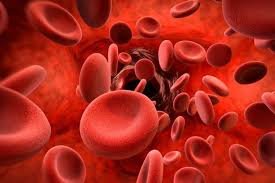
Anaemia is a condition in which the number of red blood cells or the hemoglobin concentration within them is lower than normal. Hemoglobin is needed to carry oxygen and if you have too few or abnormal red blood cells, or not enough hemoglobin, there will be a decreased capacity of the blood to carry oxygen to body tissues.
Anaemia is a serious global public health problem that particularly affects young children and pregnant women. WHO estimates that 42% of children less than 5 years of age and 40% of pregnant worldwide are anaemic.
The prevalence of anaemia remains high globally, particularly in low-income settings, where a significant proportion of young children and women of child-bearing age can be assumed to be anaemic.
Anaemia is an indicator of both poor nutrition and poor health. It is a problem on its own, but it can also impact other global nutritional concerns such as stunting and wasting, low birth weight and childhood overweight and obesity due to lack of energy to exercise. School performance in children and reduced work productivity in adults can have further social and economic impacts for the individual and family.

SYMPTOMS
Anaemia can cause a range of symptoms including fatigue, weakness, dizziness and drowsiness. Children and pregnant women are especially vulnerable, with an increased risk of maternal and child mortality.

TYPES
There are different types of anemia based on the parameters used to classify it (pernicious anaemia due to the deficiency of vitamin B12, iron-deficiency anaemia etc) but we will be laying emphasis on iron-deficiency anaemia.

CAUSES
Anaemia can result from many factors, including:
a lack of iron in the diet (iron-deficiency anaemia)
heavy menstruation (blood loss anaemia)
a lack of folate or vitamin B-12 in the diet (pernicious anamia)
Bleeding in the stomach and intestines can also cause anemia. This type
of bleeding is sometimes a side effect of nonsteroidal anti-inflammatory
drugs (NSAIDs). Or, it may result from:
Ulcers
Piles
swelling in the large intestine or esophagus
certain cancers

People who are pregnant have an increased risk of developing iron-deficiency anemia, which occurs when iron levels are too low. In these cases, doctors usually advise people to take iron supplements.
The recommended daily allowance (RDA) of iron depends on a person’s
age and sex. A baby younger than 6 months old only requires 0.27
milligrams (mg) of iron a day, while a male aged 19–50 years old requires
8 mg a day, and a female in the same age range needs 18 mg of iron a
day.
During pregnancy, a person should increase their daily iron intake to 27
mg.
People with iron-deficiency anemia need a significant boost and require
150–200 mg of iron a day.(WHO)

MEAL PLANS
The best diet for a person with anemia includes plenty of foods rich in iron
and other foods that help the body to absorb iron. A person should also
be aware of foods that can inhibit iron absorption.

Find below a list of foods that are rich in iron.
Fruits and vegetables
watercress
curly kale and other varieties
spinach
collard greens
dandelion greens
Swiss chard
citrus fruits
red and yellow peppers
broccoli
However, some dark, leafy greens also contain oxalates, which can inhibit
iron absorption. Rather than relying solely on vegetables, a person should
aim to get iron from a variety of sources.

Nuts and seeds
pumpkin seeds
cashews
pistachios
hemp seeds

Meat and Fish
beef
lamb
venison
liver
shellfish
oysters

Dairy products
raw milk
yogurt
cheese

Beans and pulses
kidney beans
chickpeas
soybeans
black-eyed peas
pinto beans
black beans
peas
lima beans
Also, it may be a good idea to choose iron-fortified cereals, bread
products, orange juice, rice, and pasta.

Foods to avoid
The following foods can interfere with iron absorption:
tea and coffee
milk and some dairy products
whole-grain cereals
foods that contain tannins, such as grapes, corn, and sorghum
foods rich in gluten, such as pasta and other products made with
wheat, barley, rye, or oats
foods that contain phytates or phytic acid, such as brown rice and
whole-grain wheat products
foods that contain oxalic acid, such as peanuts, parsley, and
chocolate

The best way to add iron to the diet is to eat more foods that are rich in
iron. However, the following strategies can maximize a person’s iron
intake:
refraining from drinking tea or coffee with meals
refraining from eating foods rich in calcium with those rich in iron
eating iron-rich foods alongside those rich in vitamin C
cooking with a cast-iron skillet
cooking foods for shorter periods
If a person has tried changing their diet and their levels of iron remain
low, they should speak with a doctor or dietician, who may recommend a
supplement.
Doctors often recommend choosing a supplement containing ferrous
salts such as ferrous fumarate, ferrous gluconate, or ferrous sulfate. These
formulations all contain anywhere from 15–106 mg of elemental iron in a
tablet or oral solution.
People with iron-deficiency anemia can benefit from adding iron to their
diet. The foods and strategies listed above can help a person to manage
the condition.
Eating certain dark, leafy greens, seafood, beans, nuts, and seeds can
help a person to boost their iron intake. It may also be a good idea to use
a cast-iron skillet, and cooking meals for shorter periods, when possible.
Iron supplements can benefit people who do not receive enough iron
from their diets. It is essential to follow dosage instructions carefully. An
excess of iron can cause iron toxicity. This can be dangerous and, on rare
occasions, fatal.
I believe you now know how to manage anaemia.
For relevant nutrition information, you should visit our blog more often.

What do you think about canned foods,good or bad?

CANNED FOOD AND ITS EFFECTS
Canning is the process involved in the preservation of foods and vegetables to increase the shelf life of such food for about 1 to 5 years which include storage of such food in an airtight container or jar. Many food and fruits can be canned ranging from salmon, to tomatoes and to sardines to mention a few. The canned foods which are generally believed to be less nutritious compared to fresh foods are originally made for military personnels and sailors who spend days and even months in war zones. The process of canning includes the following processes, which involves peeling, chopping, deboning and others.During the sealing process,the processed food is canned while the heating process takes the last stage which help kill the bacterias in the food and also helps prevent the food from spoiling.
Contrary to the belief, that the canned food are less nutritious compared to the fresh and frozen food counterpart, research has proven that this is not always true as many of the nutrients are conserved but water soluble vitamins like B and C are lost due to heating process of the canning. These vitamins are lost normally even during cooking, storage of fresh foods, this can be attributed to the fact that water soluble vitamins are heat resistant, that is, they are easily destroyed by heat. So no much reason here to ditch the canned food. People who feed on canned foods most of the time do so because it’s affordable, convienient and doesn’t spoil easily. Isn’t that the truth?
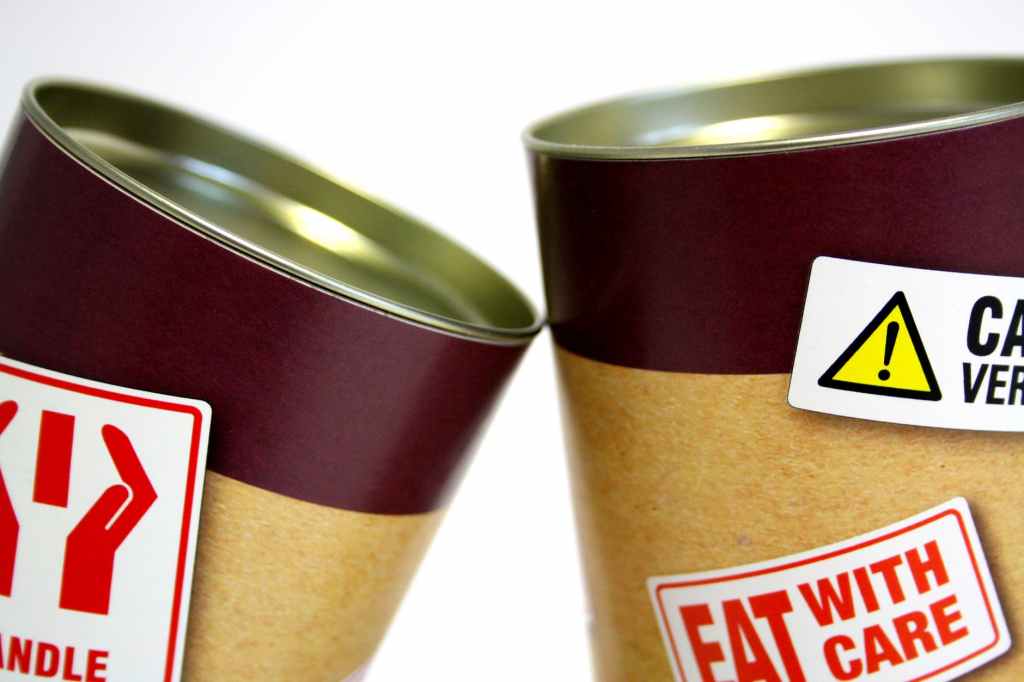
Now, the lining of a container containing the canned food is made of a material containing BPA which is an acronym for Bisphenol-A which in due time finds its way into the food components in the can, and some human Studies have shown that the BPA used in coating the lining of the interior part of the can which helps to prevent the interaction between the food and the iron component of the can and the fact that the food is processed can be linked to the cause of some health problems like male sexual dysfunction, type 2 diabetes, and heart disease. So if you are at the risk of getting a diabetes, canned food is not the best for you.
Canned food can also contain bacterias. You know how? When a canned food is not properly processed which is very unusual and when the can is leaking at one point or the other thereby leading to introduction of bacterias like Clostridium botulinum. This is a bacteria causing bolutism which results into paralysis and death of the person if not treated. Now you see the reason why it’s not good to buy canned food that is leaking in whatever way. Safeguard yourself, prolong your days, stay healthy and stay safe.
It is needful to also point out at this juncture that canned food are believed to contain high content of salt and sugar. These are actually added( although some have low-sugar content and low salt content too) along side preservatives as the case may be to prolong the shelf life of the canned product. As much as the high content of salt might not pose risk to most people it is important to strike the chord in my esteemed reader’s hearing that it may be problematic for people with high blood pressure. So be ware of what you eat. Likewise the sugar, high content level of simple sugar in whatever we take in can be linked to many diseases including obesity and diabetes.The chemicals used to preserve and process the canned food are not safe for our health too, for example, nitrate used in preserving hot dog which gives it the pinkish colour may trigger the growth of abnormal cells in the body, that means you’re exposing your body cells and tissues to the development od cancerous cells.
The bottom line of this exposition is that as much as it is possible or lies within you ensure you feed on fresh foods and that’s what we advocate at Nourish Well Africa. If you are left with the choice of picking between a fresh food and a canned one, I’ll implore you to go for the fresh food, you don’t have anything to loose by feeding on fresh food but you might be exposed to risk associated to BPA and also exposure to bacteria as a result of under processed food( which is not the case most times) and the bacteria gotten from the food due to leakage from the can. Ensure you read the labels of whatever canned food and make decisions on what canned food to feed on that won’t lead you to having health complications. As much as you have the choice, vote for fresh food and you won’t regret your choice. Remember, Health is Wealth, till I come your way next time, stay home stay safe.
Feel free to talk to us at Nourish-Well Africa about your Health, we want to hear from you. Peace. Stay safe.

What do you think about canned foods,good or bad?

CANNED FOOD AND ITS EFFECTS
Canning is the process involved in the preservation of foods and vegetables to increase the shelf life of such food for about 1 to 5 years which include storage of such food in an airtight container or jar. Many food and fruits can be canned ranging from salmon, to tomatoes and to sardines to mention a few. The canned foods which are generally believed to be less nutritious compared to fresh foods are originally made for military personnels and sailors who spend days and even months in war zones. The process of canning includes the following processes, which involves peeling, chopping, deboning and others.During the sealing process,the processed food is canned while the heating process takes the last stage which help kill the bacterias in the food and also helps prevent the food from spoiling.
Contrary to the belief, that the canned food are less nutritious compared to the fresh and frozen food counterpart, research has proven that this is not always true as many of the nutrients are conserved but water soluble vitamins like B and C are lost due to heating process of the canning. These vitamins are lost normally even during cooking, storage of fresh foods, this can be attributed to the fact that water soluble vitamins are heat resistant, that is, they are easily destroyed by heat. So no much reason here to ditch the canned food. People who feed on canned foods most of the time do so because it’s affordable, convienient and doesn’t spoil easily. Isn’t that the truth?
Now, the lining of a container containing the canned food is made of a material containing BPA which is an acronym for Bisphenol-A which in due time finds its way into the food components in the can, and some human Studies have shown that the BPA used in coating the lining of the interior part of the can which helps to prevent the interaction between the food and the iron component of the can and the fact that the food is processed can be linked to the cause of some health problems like male sexual dysfunction, type 2 diabetes, and heart disease. So if you are at the risk of getting a diabetes, canned food is not the best for you.
Canned food can also contain bacterias. You know how? When a canned food is not properly processed which is very unusual and when the can is leaking at one point or the other thereby leading to introduction of bacterias like Clostridium botulinum. This is a bacteria causing bolutism which results into paralysis and death of the person if not treated. Now you see the reason why it’s not good to buy canned food that is leaking in whatever way. Safeguard yourself, prolong your days, stay healthy and stay safe.
It is needful to also point out at this juncture that canned food are believed to contain high content of salt and sugar. These are actually added( although some have low-sugar content and low salt content too) along side preservatives as the case may be to prolong the shelf life of the canned product. As much as the high content of salt might not pose risk to most people it is important to strike the chord in my esteemed reader’s hearing that it may be problematic for people with high blood pressure. So be ware of what you eat. Likewise the sugar, high content level of simple sugar in whatever we take in can be linked to many diseases including obesity and diabetes.The chemicals used to preserve and process the canned food are not safe for our health too, for example, nitrate used in preserving hot dog which gives it the pinkish colour may trigger the growth of abnormal cells in the body, that means you’re exposing your body cells and tissues to the development od cancerous cells.
The bottom line of this exposition is that as much as it is possible or lies within you ensure you feed on fresh foods and that’s what we advocate at Nourish Well Africa. If you are left with the choice of picking between a fresh food and a canned one, I’ll implore you to go for the fresh food, you don’t have anything to loose by feeding on fresh food but you might be exposed to risk associated to BPA and also exposure to bacteria as a result of under processed food( which is not the case most times) and the bacteria gotten from the food due to leakage from the can. Ensure you read the labels of whatever canned food and make decisions on what canned food to feed on that won’t lead you to having health complications. As much as you have the choice, vote for fresh food and you won’t regret your choice. Remember, Health is Wealth, till I come your way next time, stay home stay safe.
Feel free to talk to us at Nourish-Well Africa about your Health, we want to hear from you. Peace. Stay safe.

You need to stay fit.

Physical Activity
Some people see physical activities as punishment and as one heinous task; if only they can see the good in it, they would have started a long time ago. Physical activities is good for everyone, both young and old, men and women, boys and girls.
What is physical Activity?
It can be defined as any bodily movement produced by skeletal muscles that requires energy expenditure. Physical activity encompasses all activities at any intensity either moderate or vigorous, that is performed at any time of the day.
Intensity of Physical Activity
It refers to the rate at which the activity is being performed or the magnitude of the effort required to perform an activity or exercise. The intensity of physical activity depends on an individual’s previous exercise experience and their relative level of fitness.

  1. Moderate-intensity
    This requires a moderate amount of effort and noticeably accelerates the heart rate of the person involved. E.g Brisk walking, dancing, gardening, housework and domestic chores.
  2. Vigorous-Intensity
    This requires a large amount of effort and causes rapid breathing and a substantial increase in heart rate.
    Examples: Running, walking, fast cycling, football, volleyball, hockey etc.
    Relationship That Exists Between Nutrition and physical activity
  3. A good level of fitness reduces the risk of chronic diseases e.g cardiovascular diseases and obesity.
  4. Good nutrition provides launching pad from which physical fitness can be improved .
  5. Endurance exercise increases the use of amino acids, both as an energy source and to help maintain blood glucose level.
  6. Food provides energy for physical activity therefore the need for good source of energy before any physical activities.
  7. Exercise during adolescence and early adulthood is critical to building strong bones and during older adulthood to maintain bone strength.
    Research has shown that individuals previously on sedentary life, who engaged in regular exercise subconsciously reduced their intake of overall calories, fat intake and overall, their lean body mass increases. Exercise makes you strong and healthy. Try it out today.

Best way to nourish babies is in exclusive breast feeding

Exclusive breastfeeding

I believe everyone knows what breast feeding means. It simply means feeding a child with milk from the breast (either directly from the breast or expressed breast milk). Breast milk is the ideal food for every newborn and infant. Breast feeding has many health benefits for both the mother and child. This will be discussed later in this article. Lets begin with what exclusive breastfeeding means?

Exclusive breastfeeding means a child is fed with only breast milk in the first 6 months of life, without any other liquid (not even water) or solid. Only oral rehydration solution, drops/syrups of vitamins, minerals or medicines could be given to the child.

What are the Benefits of Breastfeeding a Child Exclusively For 6 months?
It gives infants all the nutrients they need for healthy growth and development.
Breast milk contains the required water content for a child’s hydration. Therefore, there is no need for additional water supply for the child especially in the child’s first 6 months of life.
Breast milk is not costly. Its readily available and very affordable.
Exclusive breastfeeding improves immunity, as the breast milk contains antibodies that help protect infants from common childhood illnesses – such as diarrhea and pneumonia which are the two primary causes of child mortality worldwide.
Exclusive breastfeeding helps to improve a childs cognitive development thus increasing the childs intelligent quotient (IQ).

Breast feeding is not beneficial only to the child but also to the mother.
Breast feeding helps the mother to form a bond with the child. It provides a close emotional and psychological contact between the child and the mother.
It reduces the risk of ovarian and breast cancer, obesity and osteoporosis in the mother.
Breastfeeding helps in the delay of new pregnancy in most breastfeeding mothers.
It also helps to prevent postpartum depression experienced my most mothers. Don’t forget to like,share and follow this page for more educative post.

Star Babies

STRONG BONES, STRONG BABIES
Infancy is a period where children grow and develop. Whatever they take or do not take affects them either positively or negatively. This is a stage where they build their bodies, and that brings calcium into the picture. The “strongness” of bone is determined by the level of calcium in the body. Calcium is one of the most vital nutrients needed in the body. This is because it helps in determining the “strongness” of bones and teeth, promotes the physiological functions of the body, helps blood clot as well as activate the enzymes that converts food into energy.


Babies need calcium a lot because they grow and develop bones that will take them throughout the rest of their lives. To build strong bones, however, certain amount of calcium is needed in the body. According to nutritionists, babies need 200mg of calcium while infants and children need 260mg – 700 mg of calcium.
While breastmilk serve as the main source of calcium for babies and infants, dairy products, fruits and some other types of food serve as the sources of calcium for children. Here is a list of food that contain calcium for children.
Dairy products like cheese and yoghurt
Vegetables such as ugwu, African spinach green beans and podded beans
Soybeans white beans
Almond milk or almond butter
Egg
Sadines and sea food such as oysters, soft- shell crabs and fish containing bones
Almond fortified cereals
Babies with low level of calcium often have weak bones, decayed tooth and poor growth. Your baby needs calcium to be strong and healthy.
Don’t forget, healthy babies grow into healthy adults.

Healthy babies were well fed: Adequate complementary feeding is the key.

COMPLEMENTARY FEEDING: “TUSH” PAP.
Complementary feeding according to the world health Organization is defined as the process starting when breast milk alone is no longer sufficient to meet the nutritional requirements of infants, and therefore other foods and liquids are needed, along with breast milk. The transition from exclusive breastfeeding to family foods – referred to as complementary feeding – typically covers the period from 6–24 months of age, even though breastfeeding may continue to two years of age and beyond. This is a critical period of growth during which nutrient deficiencies and illnesses contribute globally to higher rates of undernutrition among children under five years of age. It’s a stage after the exclusive breastfeeding of the child( without any additional food) when the child needs other supplements to enhance the proper growth of the child. It’s expected for a child to be breastfed for the first six month of life after which complemey feeding sets in. Various foods can serve as the COMPLEMENTARY food such as baby food processed and stored in tins and also local ones like the “tush” pap which is fondly known as FORTIFIED PAP.Long time no article, but this is definitely worth your read.

Just as complementary food should provide nutrients to complement those supplied by the breast milk so it makes ordinary pap which is rich in carbohydrates wouldn’t be sufficient to supply the required nutrient for the child’s growth. So we’ll be discussing on how to make this fortified pap and give your child an all nutrient pap.
The pap can be made from millet, maize, sorghum, wheat and even rice(don’t be shocked). Preparing the rice and wheat pap, you have to make sure you clean off whatever dirt or chaffs of the grains and make sure they are grinded to powder for use and such powder contents are kept in air tight containers while the soya beans and maize is soaked for about two days for proper cleaning and afterward grinded to pastry form and kept for usage. The most interesting thing is that different pap components like the rice and the wheat can be mixed together but it’s advisable to make them individually to be able to determine which one your child likes most.

All that has been discussed above is just the preparation of the carbohydrate supplying components of the fortified pap. What about the other classes of food that are deficient in the pap. The other nutrient supplier of the fortified pap include the crayfish especially the white one are well picked to remove the first and grinded to powdering form , dry fish are de-boned and grinded into powdery form as well, groundnut especially the roasted ones are used because it’s going to be void of moisture which is then grinded as well into powdery form, and palm oil which helps to increase the energy content of the food and also supply the needed vitamin A; all of these are kept in air tight jars and added to each meal at the rate of about one or two teaspoons. Also the sugar can be added to increase the energy level and the give taste to the fortified pap. Less I forget, you are expected to feed your child with a plastic cup and spoon, do not bottle feed. Ensure that all feeding items used to prepare and feed a child is properly sterilized with warm water.

The food your child eats is very important in their brain functions and how healthy they would be so you shouldn’t joke with all that pertains to their well being. Breastfeed your child exclusively for the first six month of life and when its time to add complementary foods to the breastfeeding ensure its a quality one like the fortified pap discussed above, and please do not wean your child until after two years of age. Nutrient deficiency in children is real and you should combat that giving your growing infant the best food even if it has to squeeze out some cash from you, please do, ensure a safe child is brought up by you.

Staying Hydrated

WATER
Son: Dad, you are not eating too much but you keep drinking water. Do you want to turn your stomach to a water reservoir?
Dad: Son, it is not good to eat too much; but it is necessary to take sufficient water. Let me quickly teach you some things about water.
Water is the most important nutrient required by the body. It constitutes approximately 2/3rd of body mass and is found in all tissues including bones. Water plays essential roles in the day to day activities of the human body. Some of the functions of water will be mentioned here but are not limited to those mentioned here.

  1. It is a medium for digestion, absorption, metabolism, secretion, and excretion
  2. It is involved in the regulation of body temperature
  3. It takes part in respiration by moistening the alveoli of the lungs
  4. It serves as solvent for some vitamins (water-soluble vitamins) How Do We Get Water?
    During metabolism, our body gets water. That is called metabolic water.
    We get water by drinking i.e from the intake of water.
    The volume of water we derive from metabolic water varies with the type of diet.

Conditions That Necessitate Increased Water Intake
1) Hot weather
In hot weather, we have to increase our water intake because the body loses water and the water must be replaced so that we don’t end up dehydrated. The major ways our body loses water in hot weather are through sweat and urine. So, whenever you observe that you are sweating or urinating frequently, you are advised to increase your water intake level so that your body’s normal functions won’t be altered.

2) Sicknesses that cause vomiting
Sicknesses such as cholera cause the affected patient to vomit and in the process, water is lost. Such patients are advised to strictly follow the directive of the doctor. In most cases of severe vomiting, such patients are placed on fluid therapy in order to prevent dehydration. So, once you see that you are vomiting frequently, do well to see a doctor as quick as possible so that your case does not get out of hand.

3) Diarrhea
I have personally experienced this several times and I know how dehydrated you can be from “frequent visit to the toilet”. In this case, you find out that you have weakness in your thigh and probably not having the strength to walk. When this occurs, please seek help. You should do well to drink sufficient amount of water even in the course of journeying to the healthcare center if it is far from you.
There are disease conditions that result from lack of sufficient body water. You care to know? We will discuss that later in our next post, but before then, do ensure that you take sufficient amount of water as it is good for your health.

Brought to you by NourishWell-Africa